The Environmental Consequences of Removing Trees
Trees are vital to our environment, offering oxygen production and habitat for wildlife. However, sometimes removing a tree is necessary due to disease, safety concerns, or construction needs. Tree removal can have significant environmental impacts that need careful consideration. By understanding these effects, you can make informed decisions that balance human needs with ecological preservation.
The Role of Trees in Ecosystems
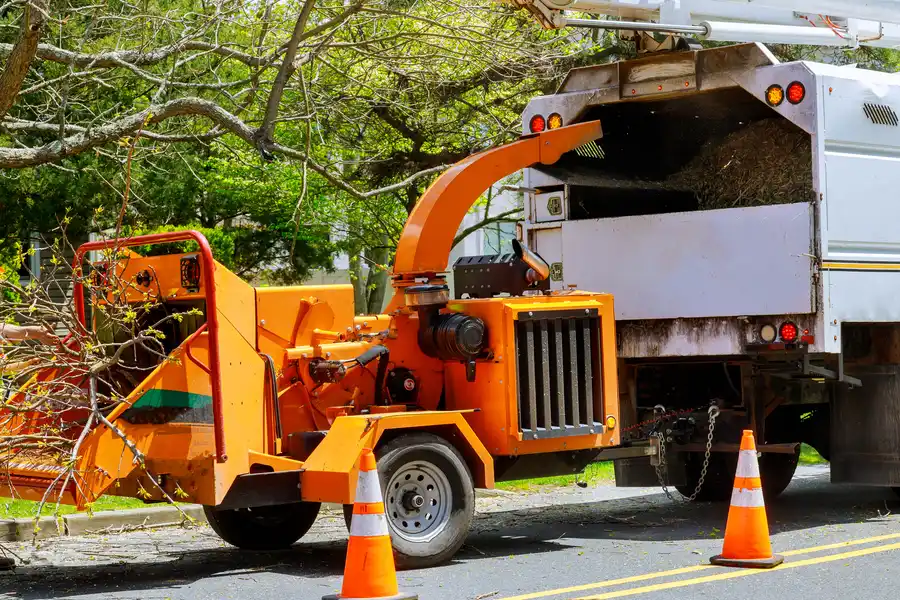
Trees play a crucial role in maintaining healthy ecosystems. They absorb carbon dioxide, provide shade, and prevent soil erosion. When trees are removed, these benefits are lost, which can lead to increased carbon emissions and altered wildlife habitats. The loss of trees can also reduce biodiversity as many species rely on them for shelter and food.
Understanding Why Tree Removal Is Sometimes Necessary
Tree removal services are often needed when trees pose a risk to people or property. For example, a diseased or damaged tree might fall during a storm and cause damage. Additionally, in urban planning, trees may be removed to make way for new buildings or roads. While necessary at times, it’s essential to consider the broader environmental consequences.
Mitigating Environmental Impact With Careful Planning
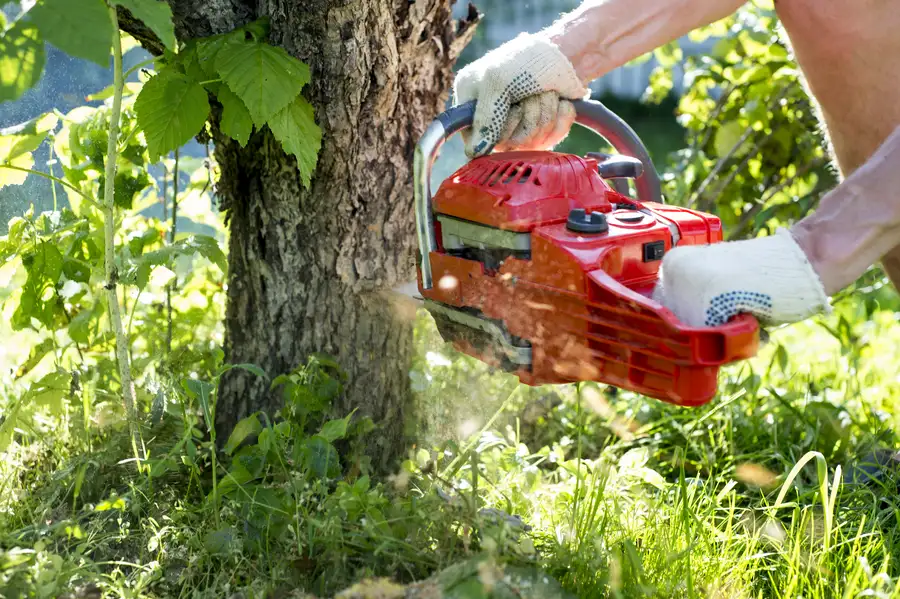
When tree removal services are unavoidable, careful planning can help minimize environmental impact. This includes assessing the necessity of removal and exploring alternatives such as pruning or relocation. In cases where removal is required, planting new trees can offset the ecological loss. Taking these steps ensures that the natural balance is maintained.
Sustainable Practices in Managing Tree Loss
Adopting sustainable practices during tree removal is crucial. These practices include selecting appropriate equipment to avoid damaging surrounding vegetation and recycling wood into mulch or firewood. Engaging local conservation groups to replant native species helps maintain the area’s natural beauty and ecological function.
Regulations Governing Tree Removal
Various regulations guide tree removal to protect the environment. Many regions require permits before removing certain types of trees, especially those classified as heritage or protected species. Understanding these legal requirements helps ensure compliance and supports broader conservation efforts. It’s vital to consult with experts familiar with local laws before proceeding.
Costs Involved in Responsible Tree Management
The cost of tree removal varies based on factors like size, location, and complexity of the job. Investing in professional services ensures the task is done safely and responsibly, minimizing potential harm to the environment. Additionally, considering long-term care such as replanting can provide economic benefits by enhancing property values and contributing to ecosystem services.
Call Us for Expert Guidance on Eco-Friendly Solutions
Our team offers expert support in environmentally responsible tree management. We prioritize sustainable solutions and adhere to all local regulations. Based in Fort Worth, TX, we work with you every step of the way. Reach out to us at (817) 369-9564 to learn more about how Tree Services in Fort Worth can assist you in making eco-friendly choices that safeguard both your property and the environment.